STEP 01
A conversation, not a pitch
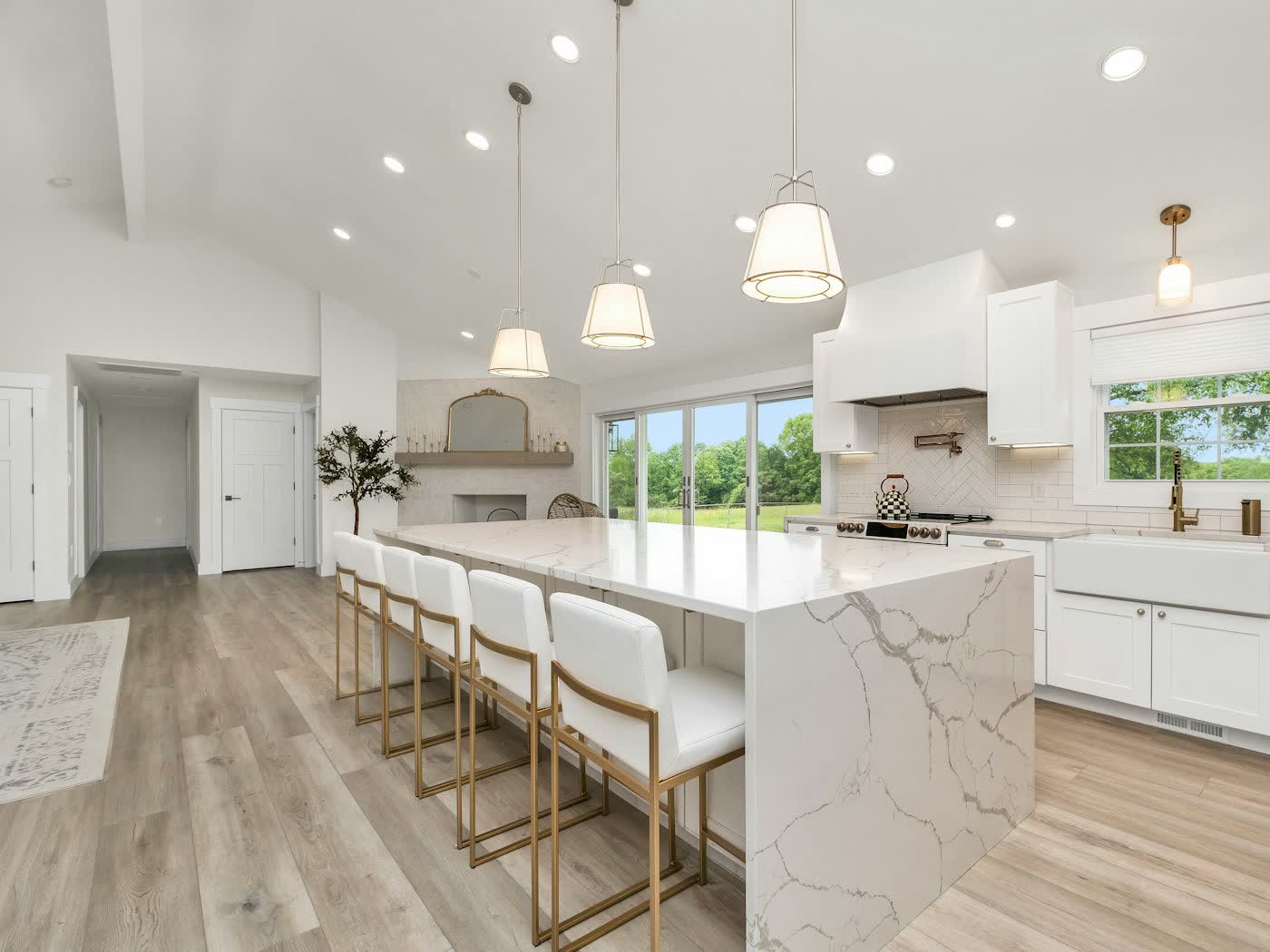
What you want, what you can carry, and where those overlap on a map. I will be honest if your budget and your list do not meet anywhere in this city yet — and what would change that.
Home / Buying
For buyers
Everything below is what I would tell a friend over coffee: what it costs, what to check, what the programs are worth, and where people lose money without noticing.
The short version
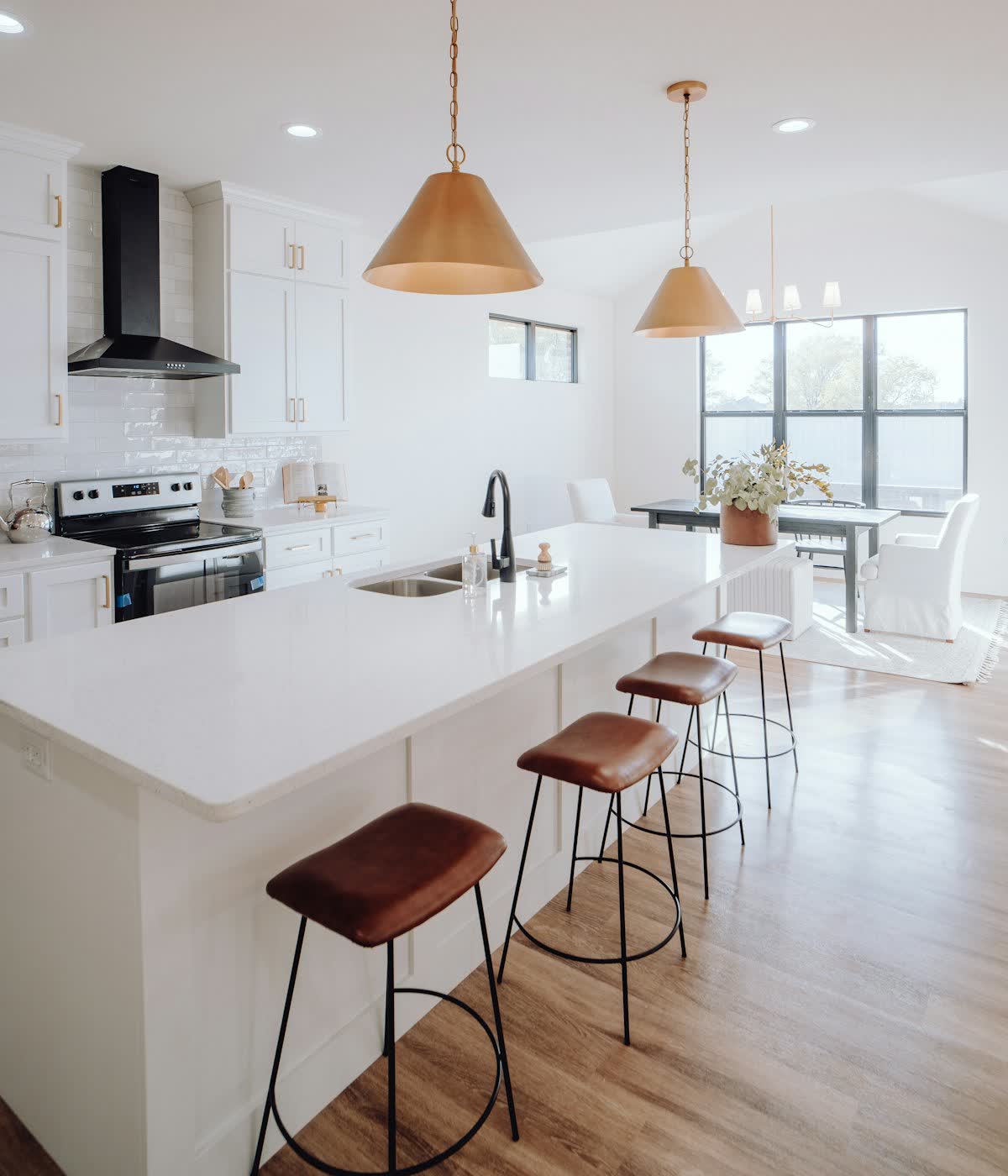
It sounds obvious until you are standing in a kitchen you love and the only person there is being paid to sell it to you. Buyer representation is free to you and it changes every conversation that follows.

The process
STEP 01
What you want, what you can carry, and where those overlap on a map. I will be honest if your budget and your list do not meet anywhere in this city yet — and what would change that.
STEP 02
A real pre-approval, not a rate quote. You will know your ceiling, your payment, and your cash-to-close before you walk into a house you cannot have. I will introduce you to two brokers and you pick.
STEP 03
Instant alerts the moment something fits, plus exclusive and pre-market listings. I send fewer homes than the portals do, on purpose, and I tell you why I skipped the rest.
STEP 04
We look at what it costs to own: furnace and roof age, window seals, panel size, grading and drainage, water pressure, and what the neighbours are doing. Photos hide all of it.
STEP 05
Comparable sales, days on market and seller motivation in writing before we submit. Conditions that actually protect you — and a clear plan for a multiple-offer night, including the walk-away number we agree on in advance.
STEP 06
Lawyer, lender, inspector and final walkthrough on one timeline. Afterwards: the trades list, the assessment appeal window, and a valuation every spring so you always know where you stand.
First-time buyers
Used together these are worth well over $10,000 to most London first-time buyers. Most people use one of them and never hear about the rest.
$8,000 a year to a $40,000 lifetime cap. Deductible going in like an RRSP, tax-free coming out like a TFSA. The single best account for a first purchase.
Withdraw up to $60,000 per person from your RRSP tax-free toward a first home. Repaid over 15 years, starting five years after you take it.
Up to $4,000 back in Ontario, applied by your lawyer on closing day. On a $500,000 London home it wipes out most of the bill.
A $10,000 non-refundable federal credit worth about $1,500 at tax time. Claimed the spring after you close, and easy to forget.
First-time buyers and buyers of new builds can stretch an insured mortgage to 30 years, lowering the monthly payment. It costs more interest overall — we will run both.
Partial GST/HST relief on qualifying newly built homes, usually credited by the builder. Worth confirming before you sign a builder agreement.
Program rules and limits change. These are current as of this writing — confirm the details with your accountant, mortgage broker or lawyer before you rely on them.
Before you look
Same arithmetic a lender runs, including the stress test. Knowing this number before you tour anything is the difference between shopping and window shopping.
You could likely buy up to
At every showing
Expensive to fix
Easy to miss
On paper
Free download
Thirty-two pages of the things buyers usually learn the expensive way: the full showing checklist, how offer nights really work here, and every cost from deposit to closing day.
Buyer questions
Your down payment plus 1.5% to 3% of the price in closing costs. On a $700,000 home with 20% down that is $140,000 plus roughly $16,000 to $21,000. The closing cost calculator itemises every line.
A pre-approval. A pre-qualification is a rate estimate based on what you told someone over the phone; a pre-approval means a lender has looked at your documents and holds a rate for you. Sellers can tell the difference and so can I.
Yes. Even where a condition is not competitive, a pre-offer inspection is money well spent on anything older than fifteen years. I will tell you honestly when a house is new enough that it is optional.
We run both orders with real numbers, including bridge financing costs, before you commit. There is no universal right answer — it depends on your financing and on how the market is treating each side that month.
Regularly. Video walkthroughs where I narrate the things a camera misses, neighbourhood breakdowns before you visit, and a tour day built around a shortlist rather than a scramble.
Usually 3% to 5% of the price, delivered within 24 hours of an accepted offer, held in the listing brokerage’s trust account and credited to your down payment on closing. It is not an extra cost, but it does need to be liquid.
No obligation
Twenty minutes on the phone will tell you more than a month of scrolling. Bring your questions and whatever you have already found.